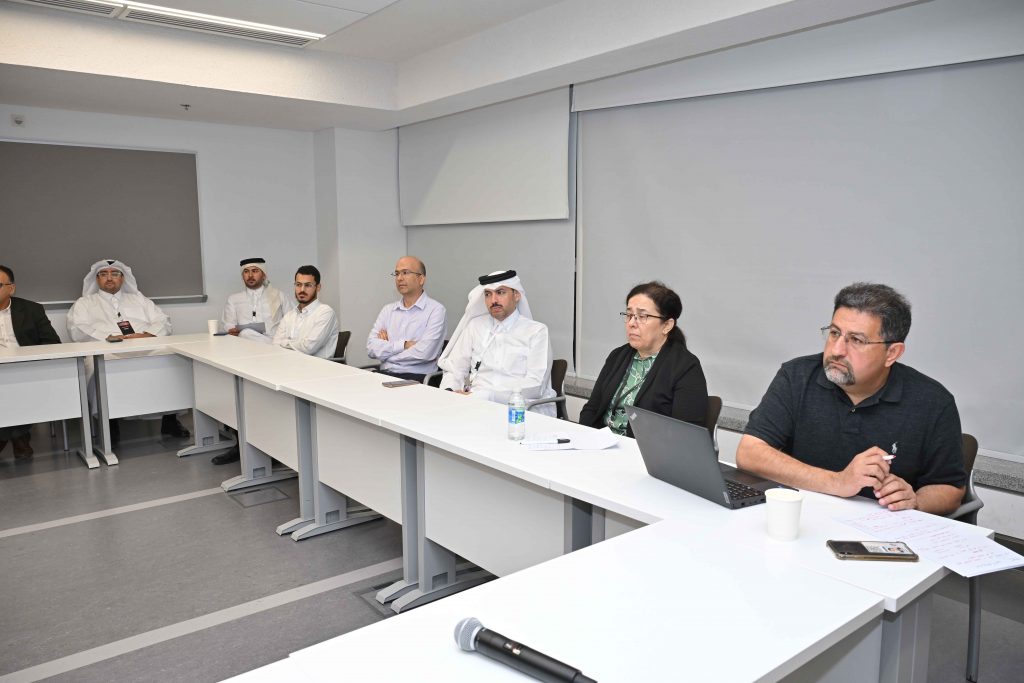
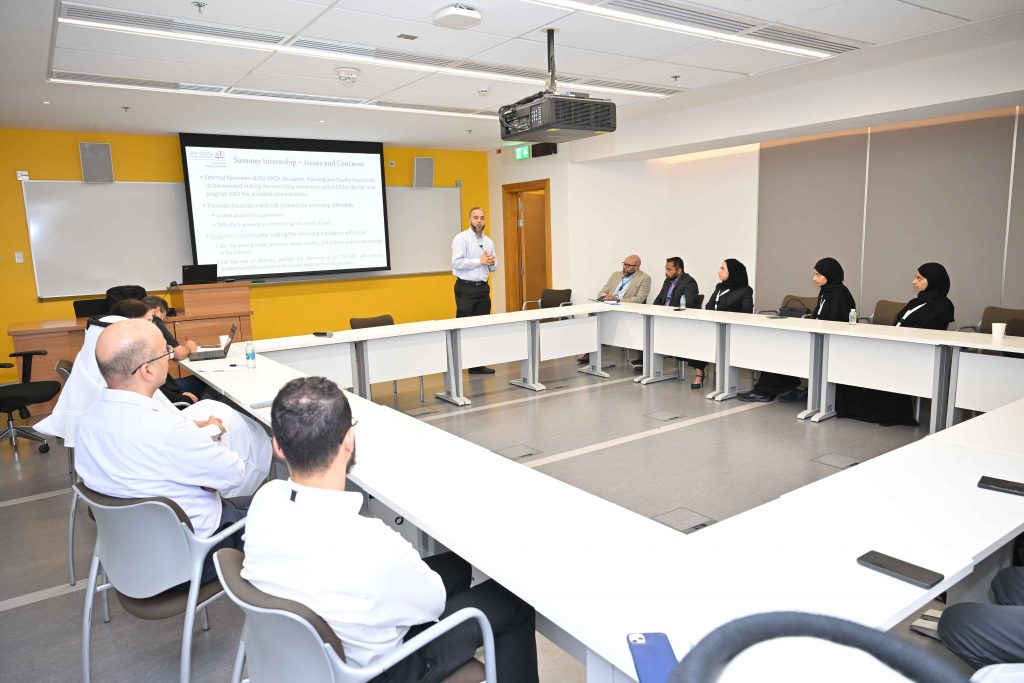
Our Computer Engineering students showcased their course project during the Practicum Demo Day on December 4th, where innovative Building Automation System (BAS) projects were demonstrated and evaluated as part of the 4th edition of the Computer Engineering Practicum Contest.
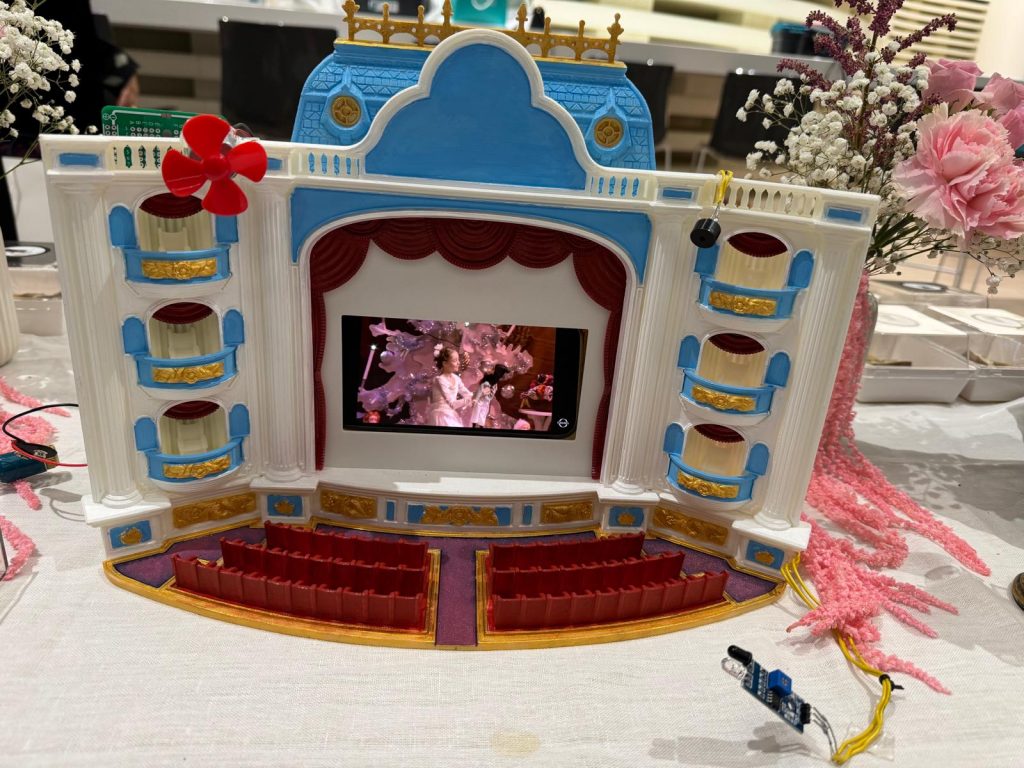
The event featured 21 female teams and 10 male teams presenting cost-effective and hardware-based smart building solutions. Through hands-on project work, students applied key engineering skills including soldering, PCB design, 3D printing, circuit integration, and system prototyping, translating theory into real-world smart building applications.
The jury panel included faculty members from multiple disciplines, including Dr. Ahmed Ahmed (Architecture Department), Eng. Amelle Bedair, and Eng. Farah El-Qawasma (Computer Science & Engineering Department), highlighting the interdisciplinary nature of the projects and their real-world relevance.
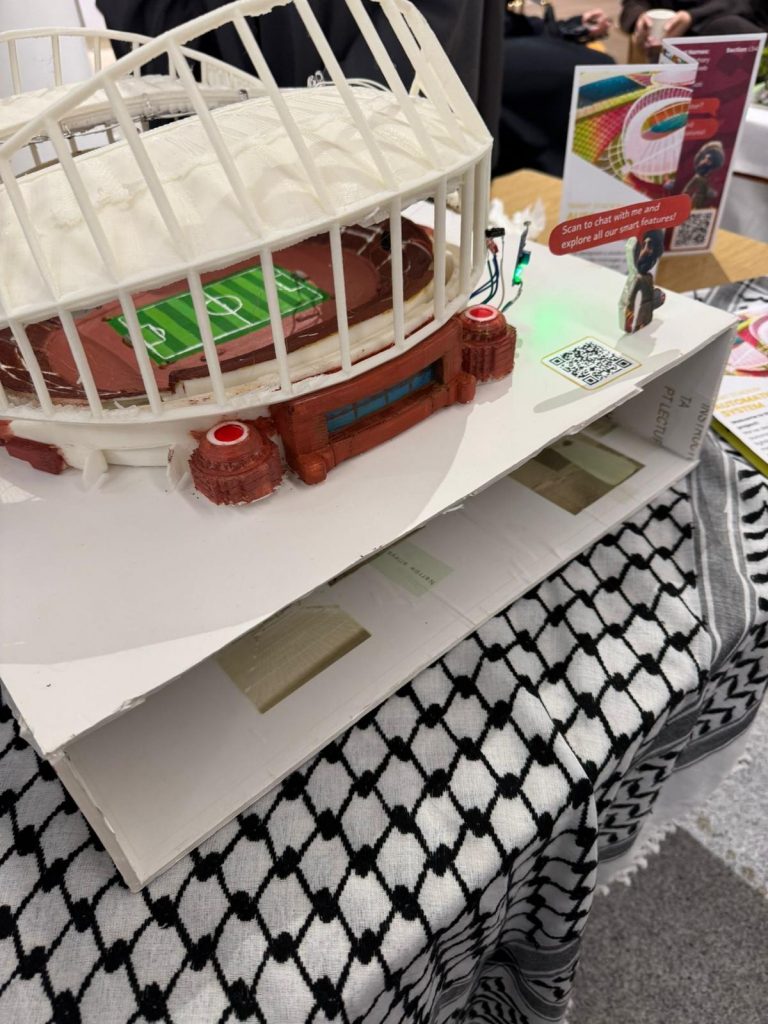
Female Contest Winners 1st Place: KHALIFA STADIUM by Ayah Tello, Amina Hamid, Rawan Alsati, and Raghad Abed
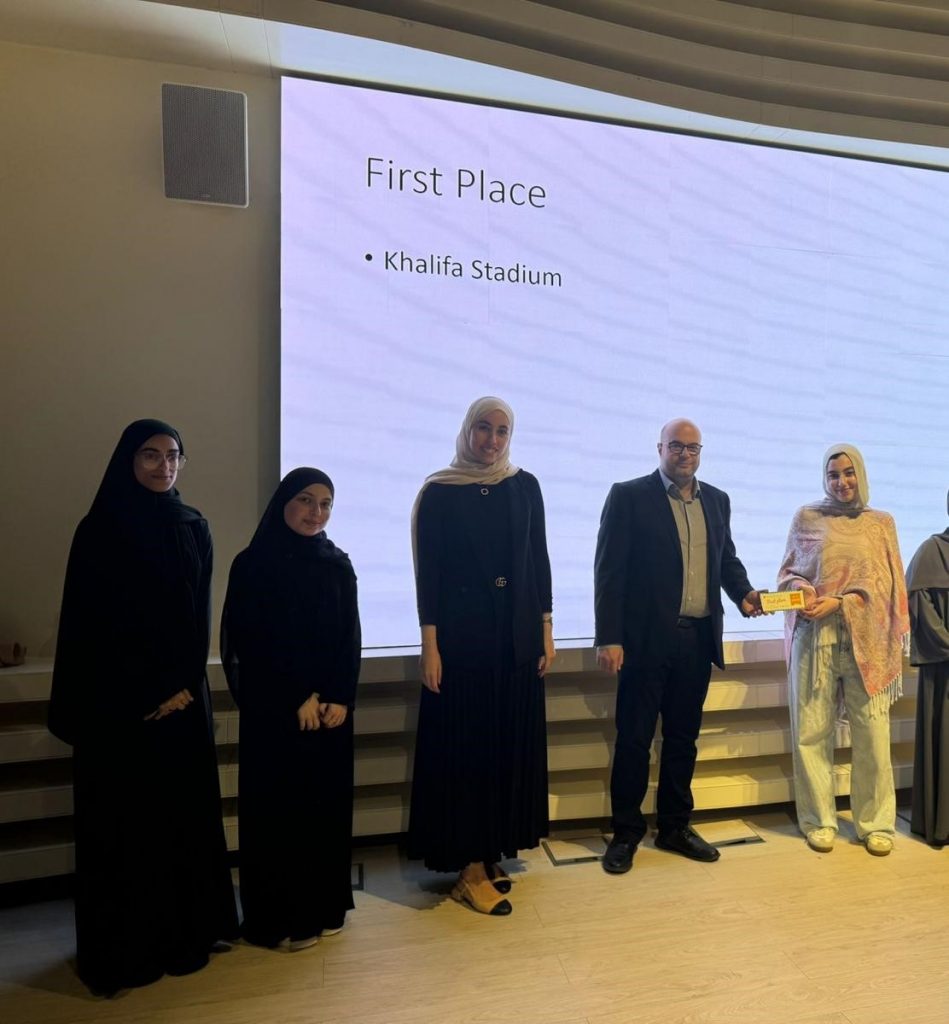
1st place winners-Females
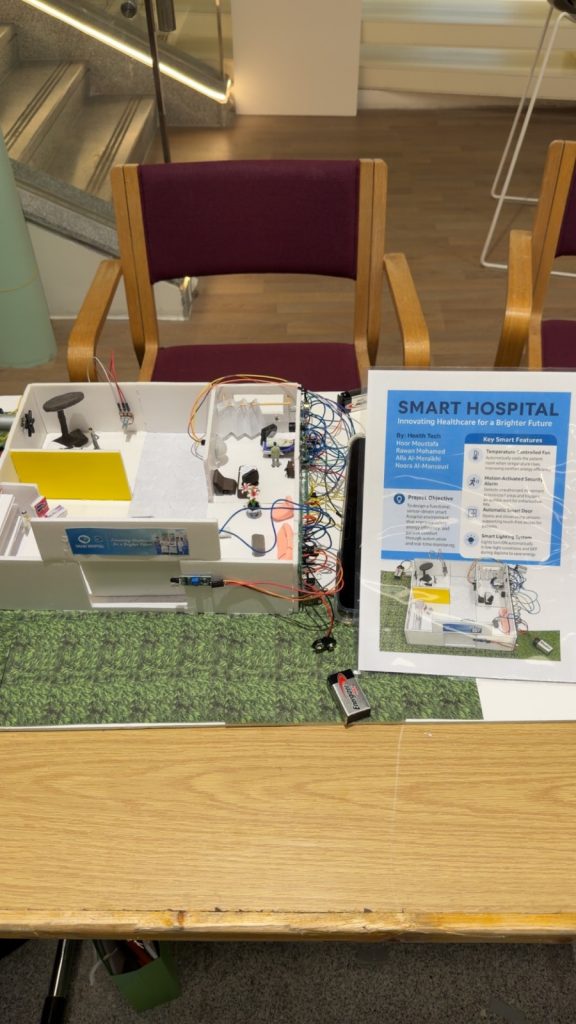
2nd Place: HEALTHTECH SMART HOSPITAL by Alla Al-Meraikhi, Hoor Moustafa, Rawan Mohamed, and Noora Al-mansouri
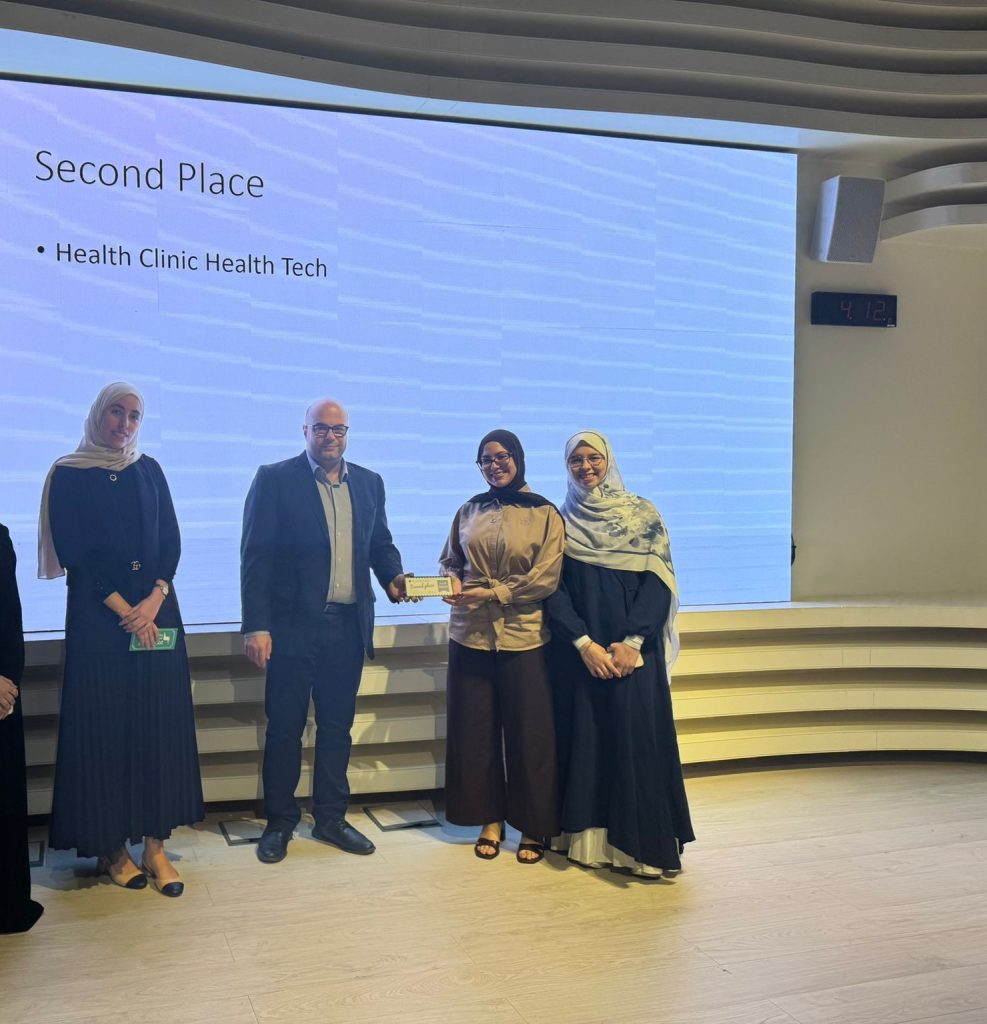
2nd place winners- Females
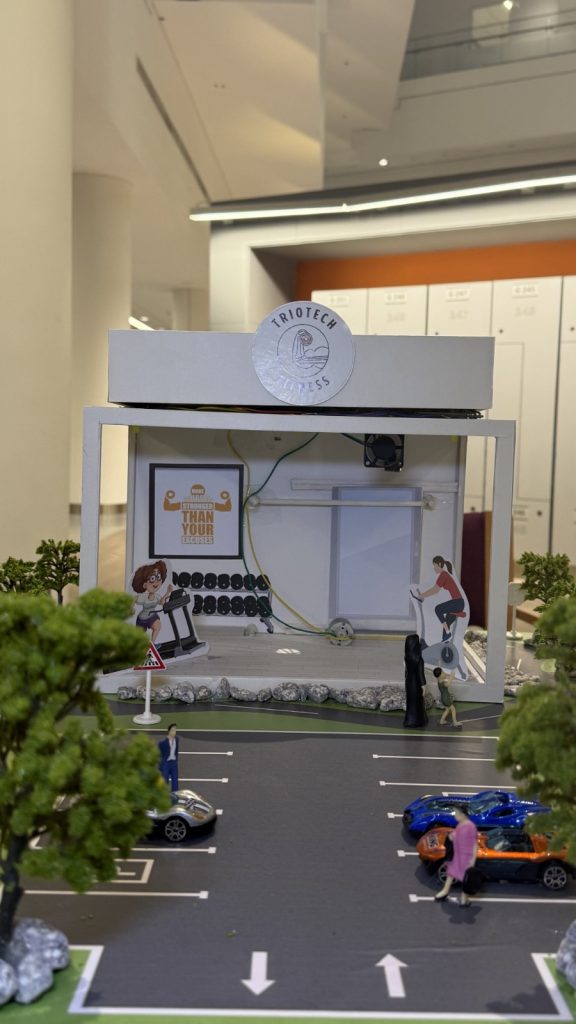
3rd Place: TRIOFITNESS GYM by Alya Yousef, Shamma Al-Hajri, and Najd Al-Turki.
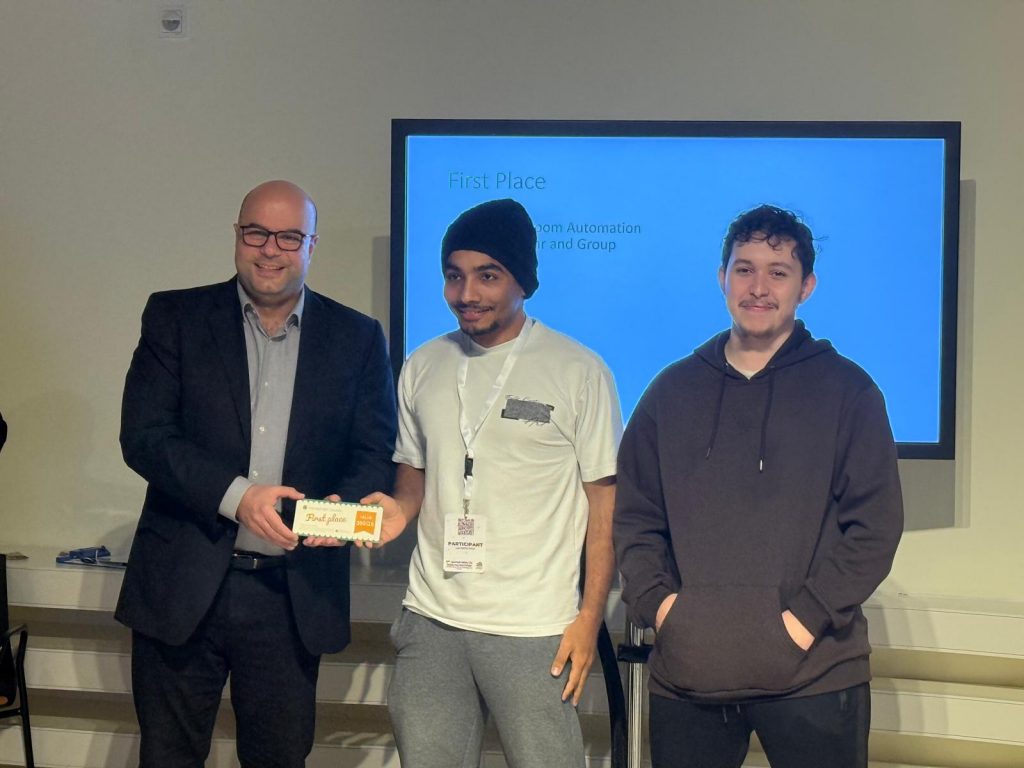
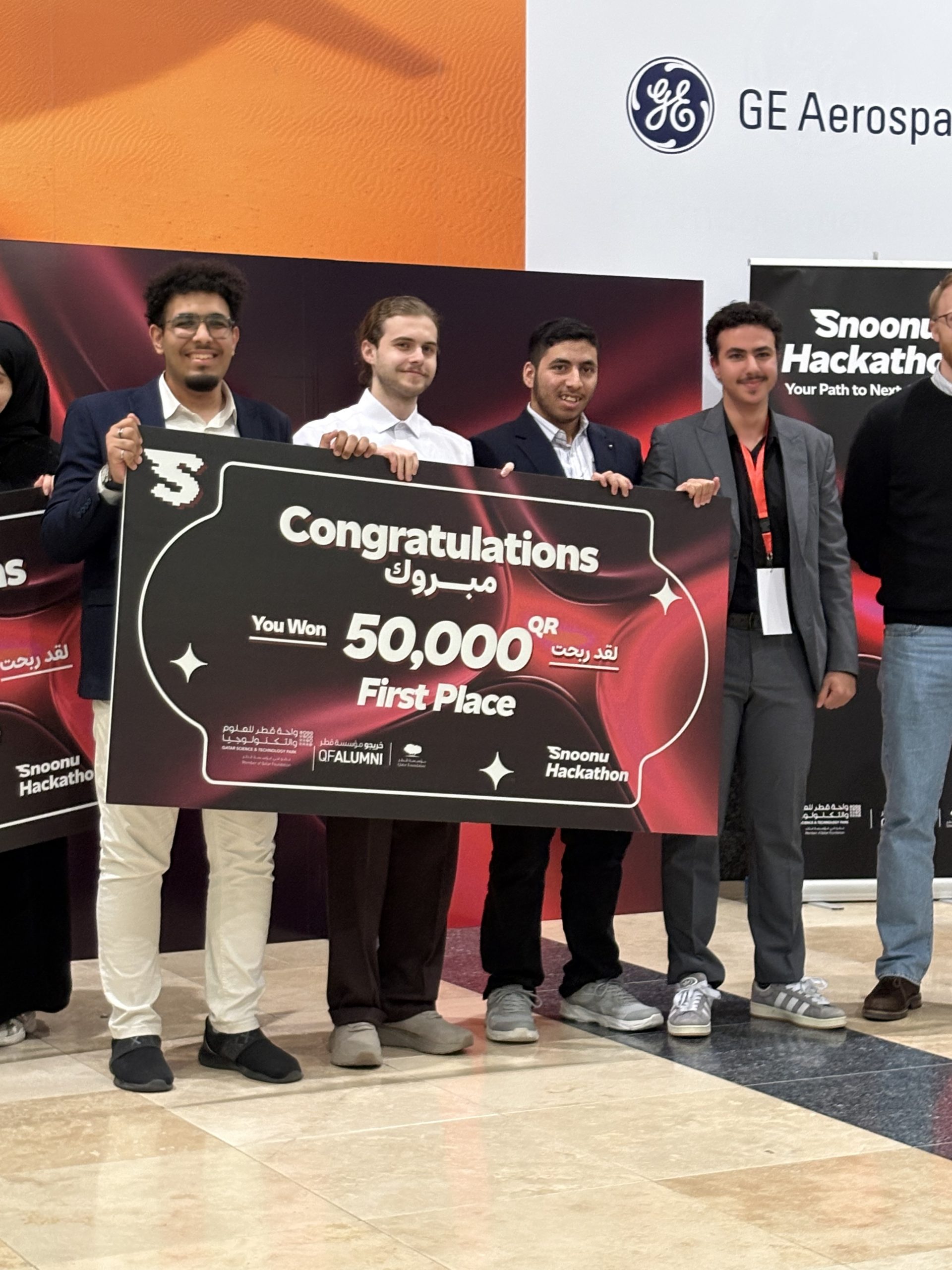
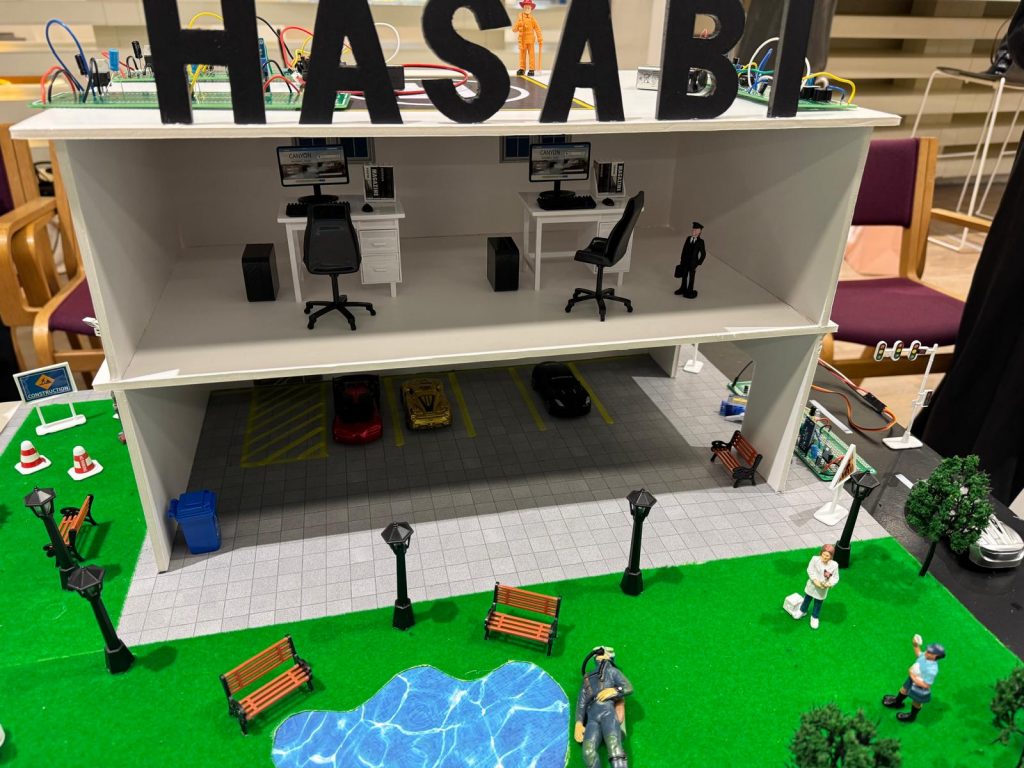
Male Contest Winners 1st Place: SMART GARAGE by Galal Ban Amr, Abdelaziz Alkathiri, and Abdelhafid Smatti
1st place winners- Males
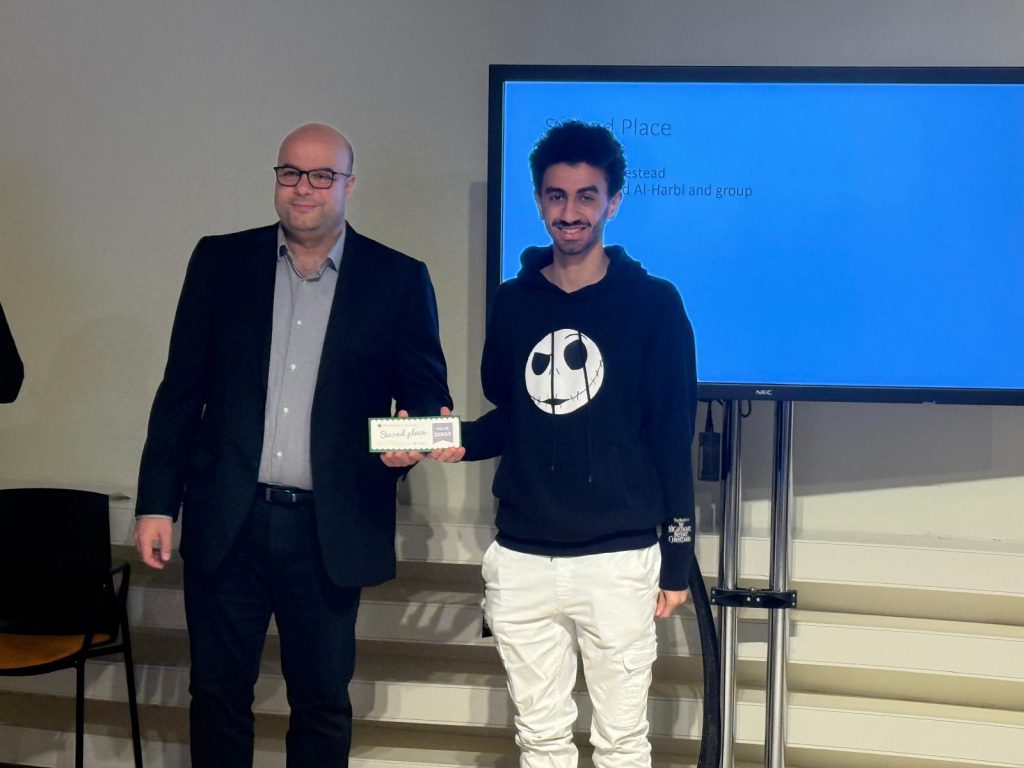
2nd Place: AUTOMATED HOMESTEAD by Mohammed Alharbi, Jassim Fakhroo, and Taha Muthair
2nd place winners- Males
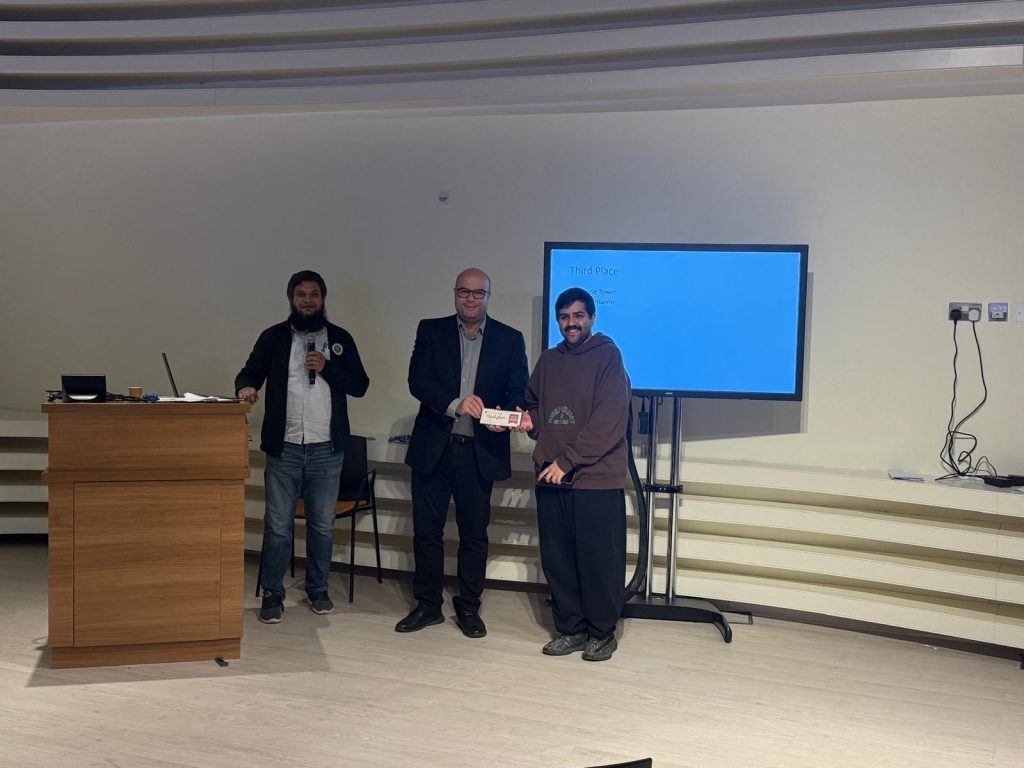
3rd Place: SYNAPSE TOWER by Faleh Al-Harami, Hamad Al Motawaa, Sulaiman Yousef, and Rufus John
3rd place winners- Males
Congratulations to all participating students on their outstanding work, and sincere thanks to the jury members and course instructors, Eng. Naveed Nawaz and Eng. Leila Gastli, for organizing the event.
Dr. Tamer Elsayed, professor of Computer Science at our department, has just received a research funding of 100k USD from Google to support his research work on Arabic language technologies. The award letter states that the award is “part of Google’s growing effort to support excellent research in academia”.
The department values this recognition from a key industrial partner like Google, which also reflects the excellence and impact of Dr. Tamer’s research in advancing Arabic language technologies.
Congratulations once again to Dr. Tamer and his research team, and best wishes for continued success and fruitful high-impact outcomes in shaa’ Allah.
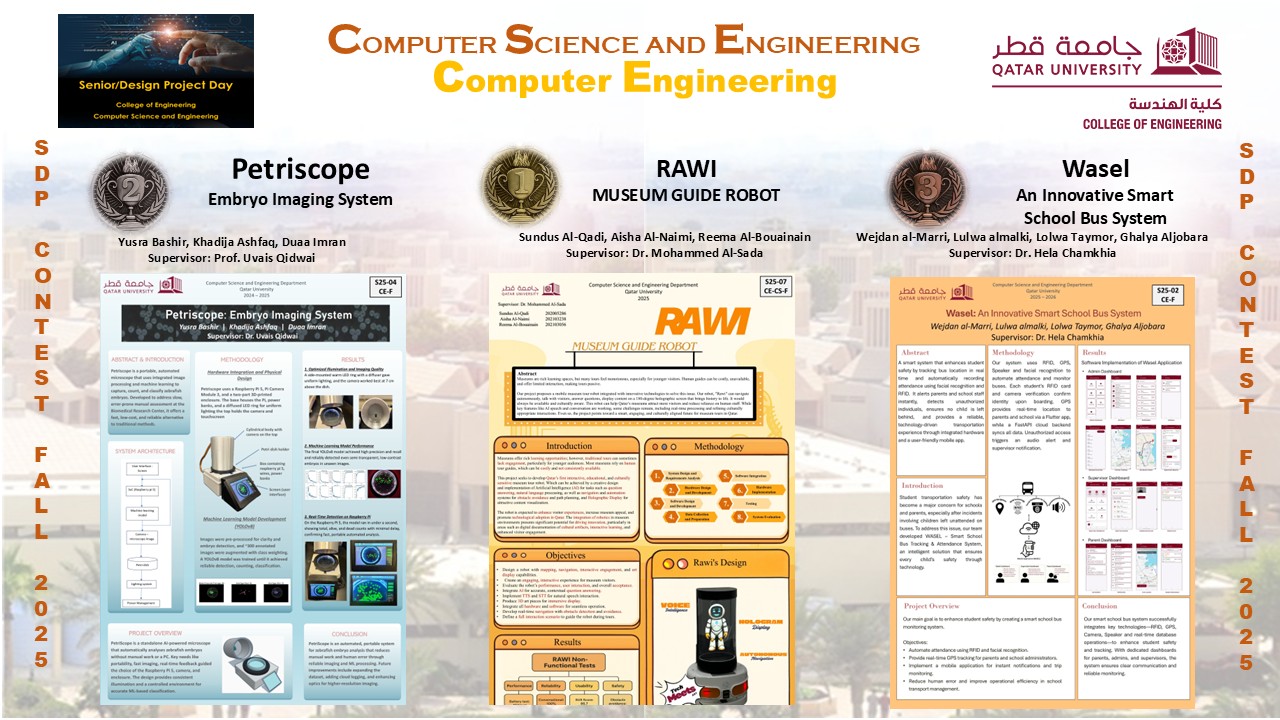
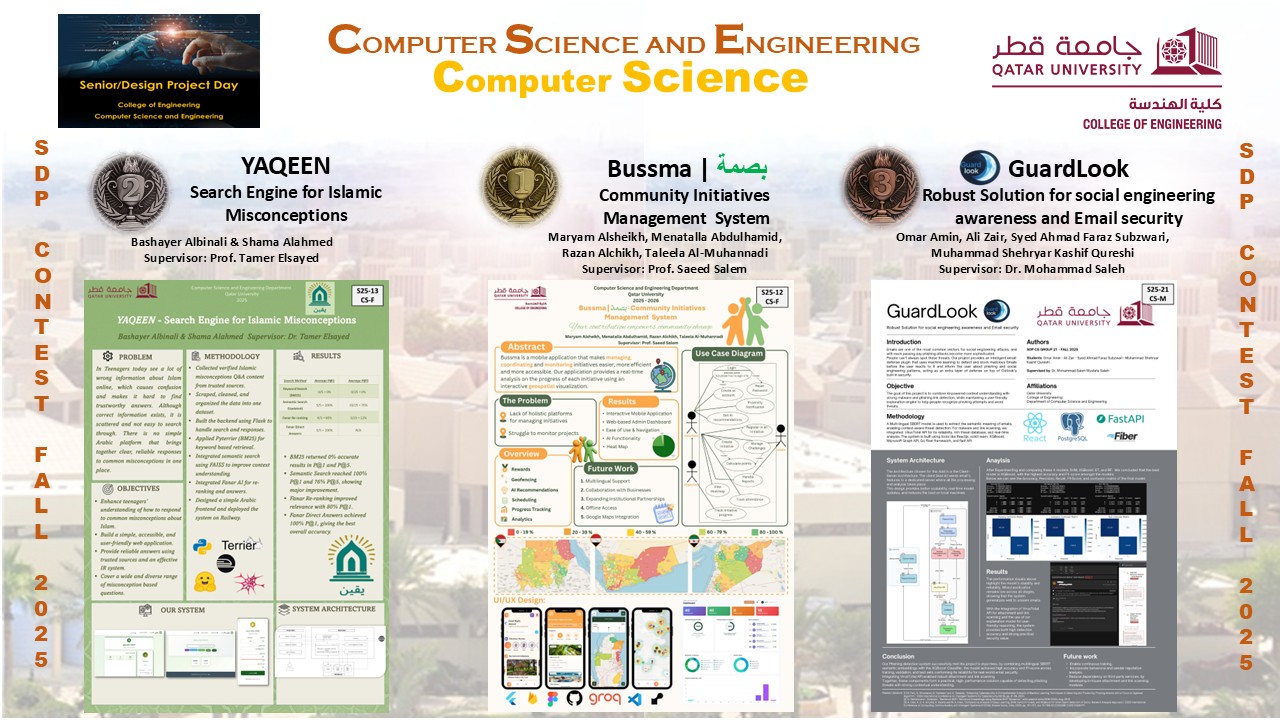
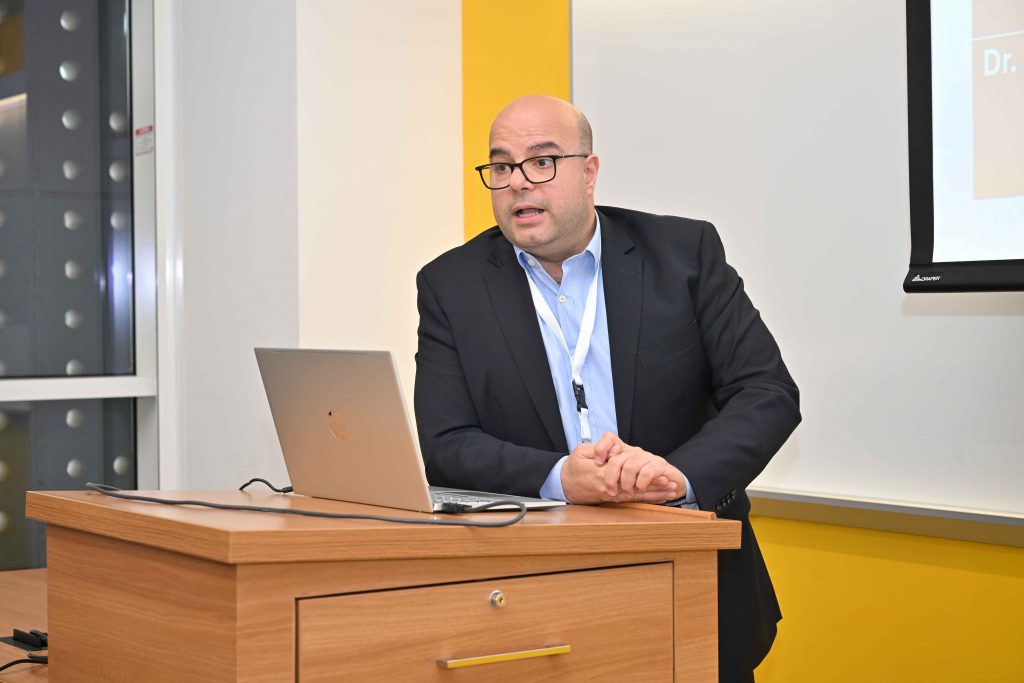
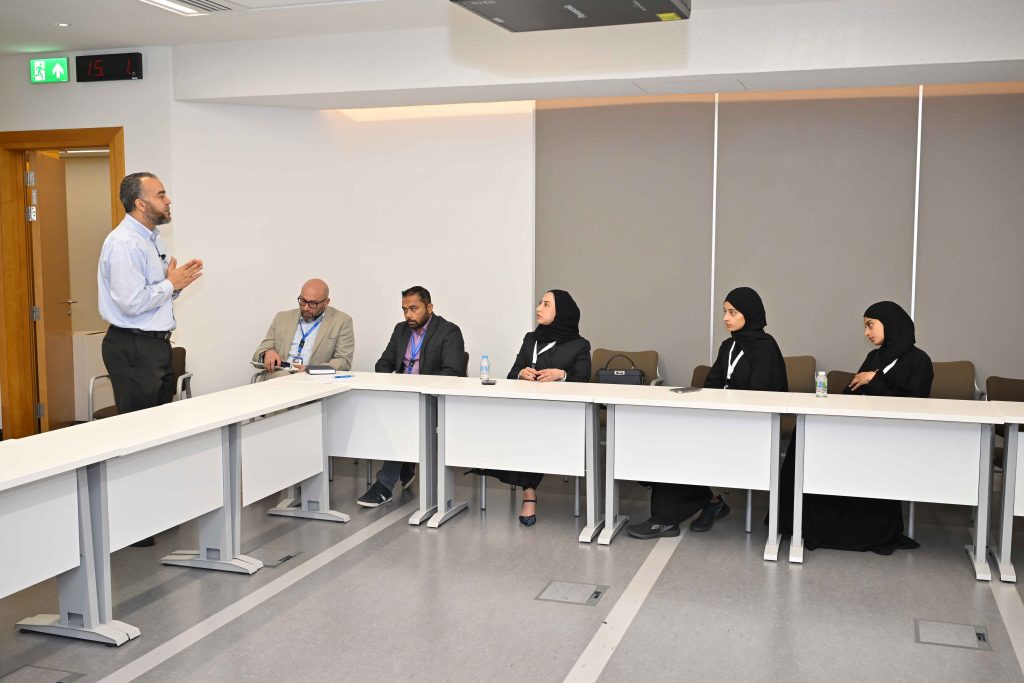
On December 2nd 2025, the highly anticipated senior project presentations took place at the state-of-the-art new engineering building H07. These remarkable projects, the culmination of tireless efforts by talented students, were subjected to rigorous evaluation by examiners from the CSE department. After careful deliberation, outstanding projects from each program, Computer Science (CS) and Computer Engineering (CE), emerged victorious. Exceptional teams of those winners willbe chosen to proudly represent our department in the upcoming college contest. We eagerly anticipate the success that awaits our representatives as they compete at the college level, confident in their abilities, to make our department proud once again.
Winning Projects in CSE-SDP-Fall 2025 Contests Day
CE Rank 1
Project title: RAWI: Museum Guide Robot
Students:Sundus Al-Qadi, Aisha Al-Naimi, Reema Al Bouainain
A talented team of Qatar University students, including two from our CSE department, has proudly won first place at the AIX Summit Hackathon, organized by Risin Ventures and sponsored by Ooredoo and Qatar Development Bank (QDB). The event was held at the Qatar Science & Technology Park (QSTP) and brought together top innovators to develop AI-driven solutions to real-world challenges.
The winning team, including Ahmed Khedr Elsheshtawy (First-Year Computer Science), Saalim Adesina (First-Year Computer Science), and Zaid Abubaker Al Samarie (Second-Year Medicine), developed an AI-powered application that automates the generation of due diligence reports for startups. The tool assesses the investment potential of emerging businesses by integrating modern web frameworks such as React and leveraging large language models (LLMs) like Google Gemini to analyze key financial and operational data.
This innovation aims to make investment analysis faster and more reliable, supporting investors and analysts in making data-driven decisions.
Congratulations to the team for representing Qatar University with excellence and innovation!
Prof. Junaid Qadir, a faculty member of our CSE department, and his interdisciplinary team have secured a $300,000 research grant over 24 months from the Qatar Research, Development, and Innovation Council (QRDI). Awarded under the “Advancing Neuro and Mental Health Research” (ANMR) Call, this project highlights the team’s pioneering leadership at the intersection of technology, faith, and mental health.
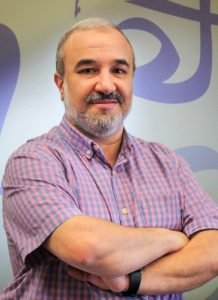
Prof. Junaid Qadir
The funded initiative, titled “Integrating Generative AI with Traditional Islamically Integrated Psychotherapy (TIIP) for Religious OCD”, brings together experts from across institutions and disciplines. The project is led by Prof. Qadir (Qatar University) alongside Dr. Hooman Keshavarzi (Hamad Bin Khalifa University), Dr. Alaa Ali Abd-Alrazaq (Weill Cornell Medicine—Qatar), and Dr. Syed Ibrahim Ghaznavi (Information Technology University, Pakistan).
The research addresses scrupulosity, a form of religious obsessive-compulsive disorder (OCD). This condition manifests in intrusive doubts, compulsive rituals such as repeated purification or obsessive prayer, and deep feelings of guilt over perceived sins. To respond to this challenge, the project will design a mobile and web platform anchored by a Generative AI–powered chatbot. The chatbot, carefully fine-tuned under the supervision of TIIP experts, will deliver timely, Islamically-authentic therapeutic support while maintaining strict privacy and ethical safeguards.
By blending TIIP, behavioral science, and responsible Generative AI, the project introduces a culturally grounded and scalable model for addressing religious OCD in Muslim-majority societies. Crucially, the approach keeps human connection at its core while using AI to enhance personalization, engagement, and accessibility for those in need.
This project not only sets a precedent for integrating cutting-edge AI with culturally authentic psychotherapy, but also signals a new frontier in mental health care that is both innovative and deeply rooted in tradition.
The Department of Computer Science and Engineering (CSE) at Qatar University was proudly honored through its faculty and community at the prestigious Huawei ICT Academy Awards. This year, Prof. Amr Mohamedwas honored with the Best Leadership Award, Dr. Moutaz Saleh received the Best Instructor Award 2024, and the CSE Department was recognized with the Excellence Achievement Award 2024.
Prof. Amr Mohamed was honored with the Best Leadership Award as part of the Huawei ICT Academy AwardsDr. Moutaz Saleh received the Best Instructor Award 2024 as part of the Huawei ICT Academy AwardsCSE Department was recognized with the Excellence Achievement Award 2024 as part of Huawei ICT Academy Awards.
These accomplishments highlight the department’s leading role in advancing innovation, academic leadership, and talent development in Qatar.
The awards were presented during the event “Innovation in Education and Talent Excellence Award”, held on 21st August 2025 at the Huawei Exhibition Centre, UDC Tower, Pearl Island. The gathering brought together Huawei’s university partners, faculty members, professors, and industry leaders to celebrate the remarkable achievements of students and educators who are shaping Qatar’s digital future.
The event not only honored outstanding contributions but also sparked discussions on the latest innovations in education—fostering inspiration for the next generation of digital leaders. A highlight of the evening was the recognition of Qatar’s talented youth, including the ICT Skills & Innovation Competition Winners 2024–2025, who continue to set new benchmarks for creativity and technical excellence.